

Flock Cameras in Your Neighborhood: Safety Tool or Surveillance Creep?
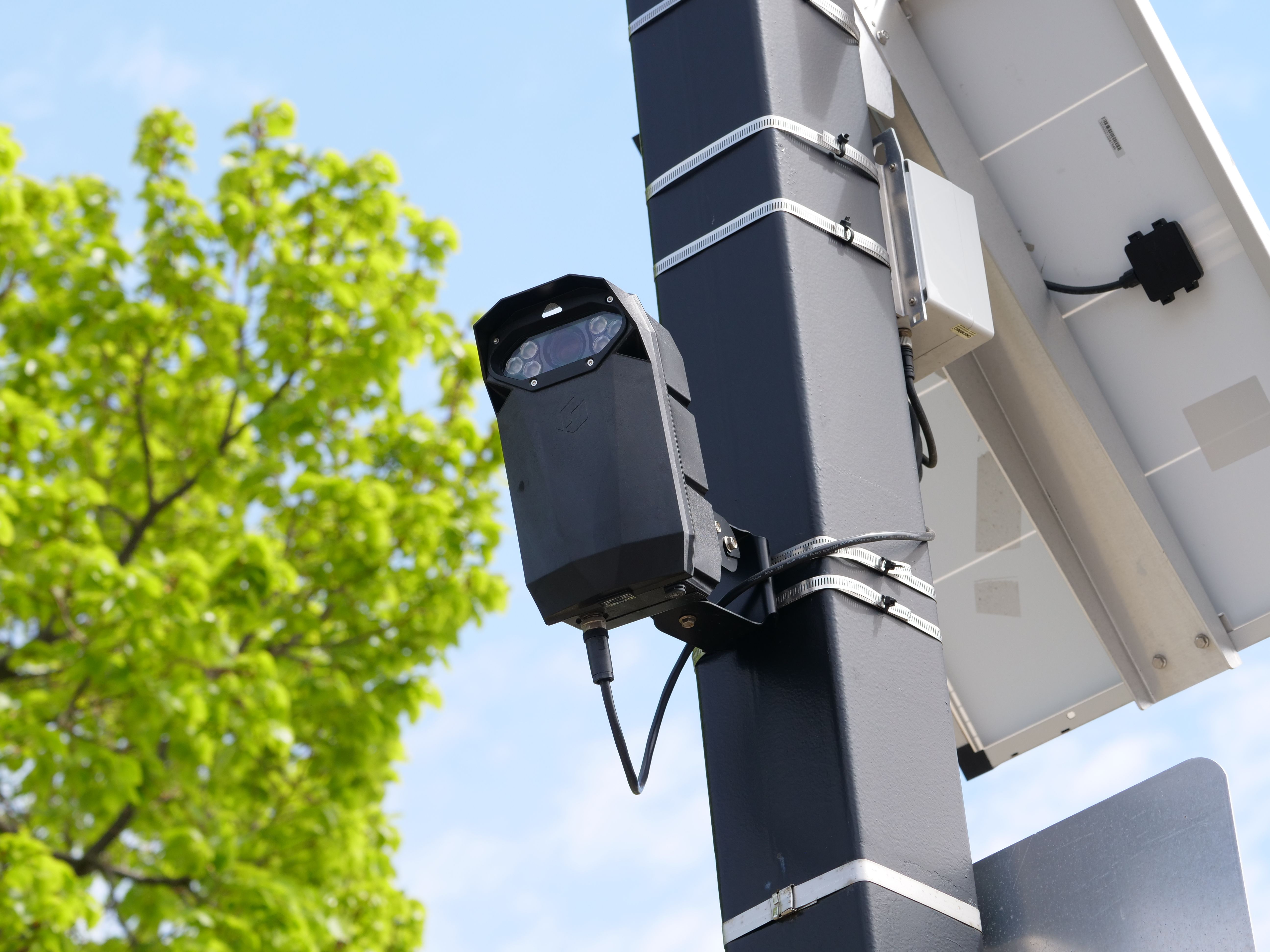
Flock cameras and other license plate reader systems are showing up in more local communities, more police programs, and more public meetings around the country. Supporters say they help recover stolen vehicles, track suspects, and move investigations faster. Critics worry that many residents do not realize how much data these systems collect, who can access it, or how quietly they can spread once the first cameras go up.
That is why this issue keeps surfacing in towns and cities across the country. It is not just about whether the cameras work. It is about who approved them, what rules exist after installation, and whether the public had a real chance to understand what was being built.
There is also a simple public-trust question underneath all of this: if public money, grant money, police budgets, or other taxpayer-supported funding is involved, then residents should not have to dig through a maze just to figure out who approved the program and what they agreed to. If it is public business, it should not feel hidden.
Why So Many People Feel Left Out of the Approval Process
One reason these programs generate distrust is that the approval path often feels obscure. Sometimes the cameras are presented as a narrow public-safety tool. Sometimes they show up through a vendor presentation, a grant discussion, a pilot program, a line item in a budget, or a short public meeting discussion that most residents never hear about until later.
That does not automatically mean anything improper happened. But it does mean ordinary people can miss the real decision point. By the time the wider public starts asking questions, the cameras may already be installed, the contract may already be signed, and the system may already be sharing data beyond the local jurisdiction.
If Taxpayer Dollars Are Involved, The Public Deserves Clear Answers
One of the first questions residents should ask is whether the system is taxpayer funded directly or indirectly. That includes straight budget spending, grant funding, police technology allocations, public-safety partnerships, and renewal costs that keep the system running after the first rollout. Officials sometimes talk about these programs as if they simply appeared through a safety initiative. Residents should ask officials to clearly document the funding trail.
If the public is paying for the cameras, paying to maintain them, paying to store the data, or paying staff time to manage them, then the public has every right to demand a clear explanation of the approval process. If officials believe the program is worth public money, they should be willing to defend it in public without hiding behind vague language, procedural fog, or hard-to-find documents.
What These Cameras Actually Mean in Daily Life
These systems are built to capture license plates, timestamps, and location data when vehicles pass by. Over time, that can create a searchable record of where a car was seen and when. Supporters focus on the investigative upside. Residents tend to focus on something else: whether a tool aimed at crime ends up tracking normal people who have done nothing wrong.
That concern grows when communities learn that data may be accessible across a broader network. A camera installed in one town does not always stay a one-town issue. The bigger the sharing network, the more residents want to know who is searching, why they are searching, how long the data stays around, and what happens if the system is misused.
The Real Pros and Cons
- Possible benefits: faster identification of stolen vehicles, better leads in serious investigations, and broader coordination across agencies.
- Possible downsides: weak public oversight, mission creep, broad data sharing, poor transparency, and the risk that everyday movement gets logged with limited community awareness.
Recent reporting shows both sides clearly. On the misuse side, Milwaukee coverage described a former officer being sentenced after prosecutors said the department's Flock system was used for personal tracking. On the successful-use side, northern Illinois reporting described license plate reader use helping solve homicide cases and locate missing people. Those examples are exactly why this debate is so tense: the same tool can support serious investigations or damage public trust when safeguards fail.
That is why this debate is not as simple as "for" or "against" the technology. A community can recognize legitimate uses and still insist on strict limits.
Who Is Supposed to Have Oversight
Oversight usually does not sit with one single person. Depending on the local structure, it can involve police leadership, municipal managers, elected boards or councils, solicitors, procurement staff, and public-records officers. The problem is that responsibility can become so spread out that accountability feels blurry. Everyone can point to someone else, while residents still do not get plain answers.
That is why the public should not assume oversight exists just because a program was announced professionally. The important question is whether the rules are written down, public, and enforceable.
How People Can Get Involved Instead of Just Complaining Online
- Show up early: watch borough, township, city, county, and police-board agendas for vendor presentations, grants, pilot programs, and surveillance-related purchases.
- Use Right-to-Know requests consistently: ask for contracts, invoices, grant applications, funding approvals, policies, retention rules, data-sharing agreements, audit logs, approval emails, training materials, and renewal records.
- Use Sunshine Act meetings: ask direct questions in public about who approved the cameras, what vote happened, what money was used, and what limits are actually in writing.
- Push for recurring reporting: request regular public numbers on searches, outside-agency access, retention practices, and policy violations.
- Stay on it after installation: public attention usually peaks at rollout, but that is exactly when long-term oversight needs to start.
In plain terms: if residents want answers, they usually have to keep asking for them. A single public comment rarely does it. Repeated public-records requests and repeated meeting questions are often what force clarity.
What to Ask for in a Right-to-Know Request
Residents do not need to be technical experts to pressure-test one of these programs. They can ask for straightforward records that reveal whether the program was handled openly or quietly:
- Contracts and vendor agreements: the signed deal, amendments, renewal terms, and cancellation terms.
- Funding documents: invoices, purchase orders, grant applications, award letters, budget approvals, and maintenance costs.
- Policy documents: retention schedules, access rules, search rules, sharing rules, and any written internal guidance.
- Approval trail: meeting minutes, agendas, staff memos, recommendation emails, and communications discussing installation or expansion.
- Oversight material: audits, misuse investigations, exception reports, disciplinary records where releasable, and annual reviews.
If multiple residents ask for overlapping records, that pressure can matter. Public officials may ignore one person more easily than they ignore a steady stream of documented requests.
What to Ask in Public Meetings
- Who approved this program, and when?
- Was there a formal public vote, and where is the record of it?
- Is this taxpayer funded in any way, including grants, renewals, staffing, or maintenance?
- How long is vehicle data kept, and who can search it?
- Which outside agencies can access the data, and under what rules?
- What happens if someone misuses the system?
- Why was the public not clearly informed before installation or expansion?
Those questions are not anti-police and they are not unreasonable. They are basic public-accountability questions for a surveillance tool that can affect an entire community.
What Communities Should Demand Before More Cameras Go Up
- A public policy, not just a sales pitch: residents should be able to read the rules before expansion happens.
- Clear retention limits: communities should know how long plate data stays in the system and why.
- Clear access limits: the public should know who can search and under what circumstances.
- Clear audit expectations: someone should be checking whether the system is being used properly.
- Clear public approval: decisions with this much community impact should not feel hidden inside a technical or budget process.
- Clear funding transparency: residents should know exactly what public money or public resources are supporting the program.
Bottom Line
Flock cameras and similar systems are not only a technology story. They are a local-power story. Communities deserve to know when these tools are proposed, who approves them, what rules control them, and how the public can challenge or limit them if the boundaries are too loose.
Policy test: if officials cannot explain in plain language who approved the cameras, what public money is involved, what oversight exists, how data is shared, and how residents can review the program, then communities have good reason to ask for stronger oversight before expansion continues.
Sources
- Milwaukee misuse case (FOX6): https://www.fox6now.com/news/milwaukee-police-flock-camera-misuse-ayala-sentence
- Major successful-use reporting (Shaw Local): https://www.shawlocal.com/news/2026/02/05/how-police-are-using-license-plate-readers-to-solve-murders-and-find-missing-people-in-northern-illinois/
- National cross-network concern reporting (404 Media): https://www.404media.co/a-texas-cop-searched-license-plate-cameras-nationwide-for-a-woman-who-got-an-abortion/
- Pennsylvania Right-to-Know guide: https://www.openrecords.pa.gov/RTKL/CitizensGuide.cfm
- Pennsylvania Sunshine Act resources: https://www.openrecords.pa.gov/SunshineAct.cfm
Key Takeaways
- Residents are often reacting not just to the cameras, but to how quietly approval and expansion can happen.
- The biggest public concerns are data sharing, weak transparency, unclear oversight, taxpayer funding, and limited chances for meaningful input.
- Right-to-Know requests and public-meeting pressure are some of the most practical ways to force answers and expose the approval trail.
- If public money is involved, residents have every right to demand a visible, understandable, and fully documented process.
- A community can recognize possible public-safety benefits and still demand strict limits, written rules, visible oversight, and public accountability.